

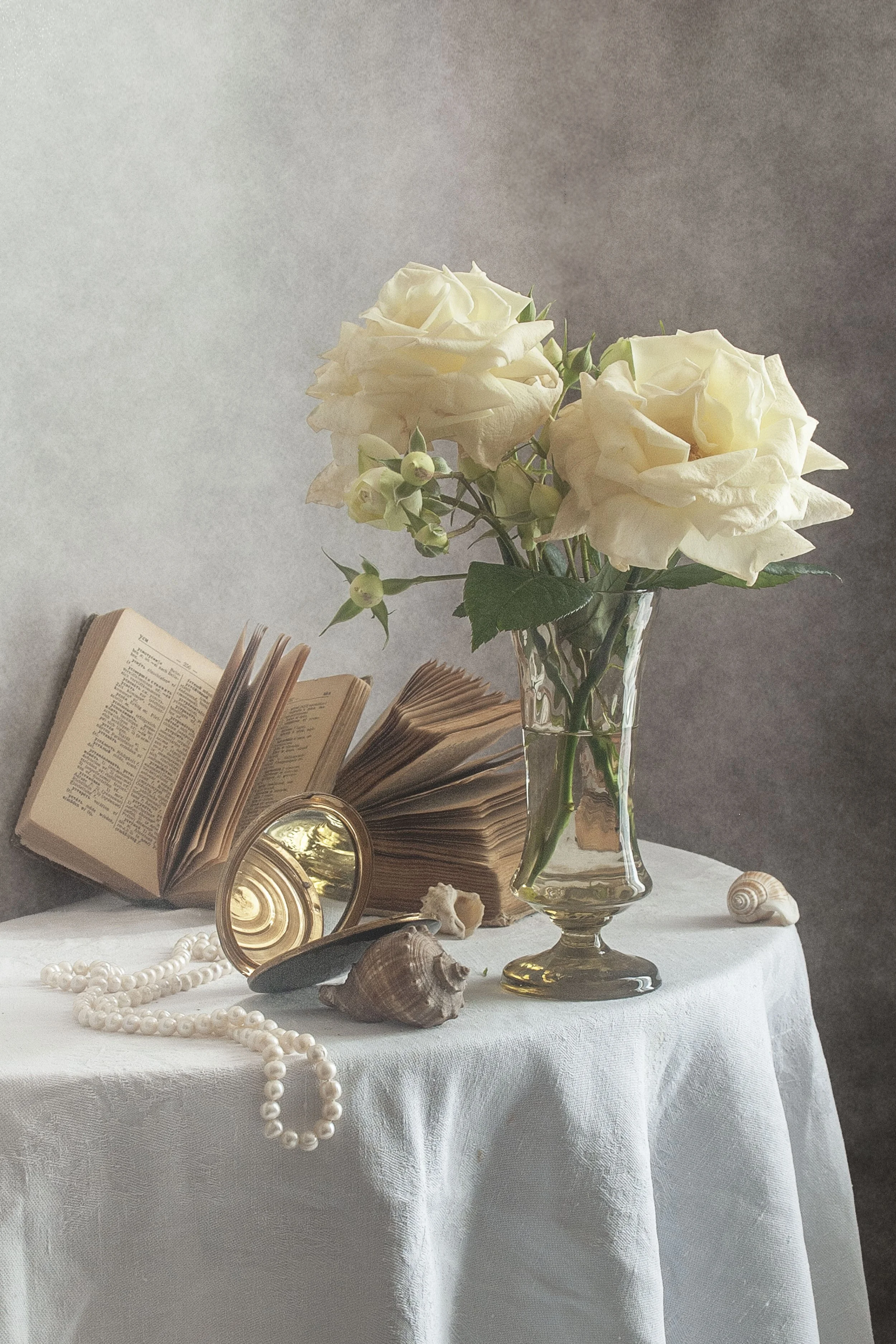
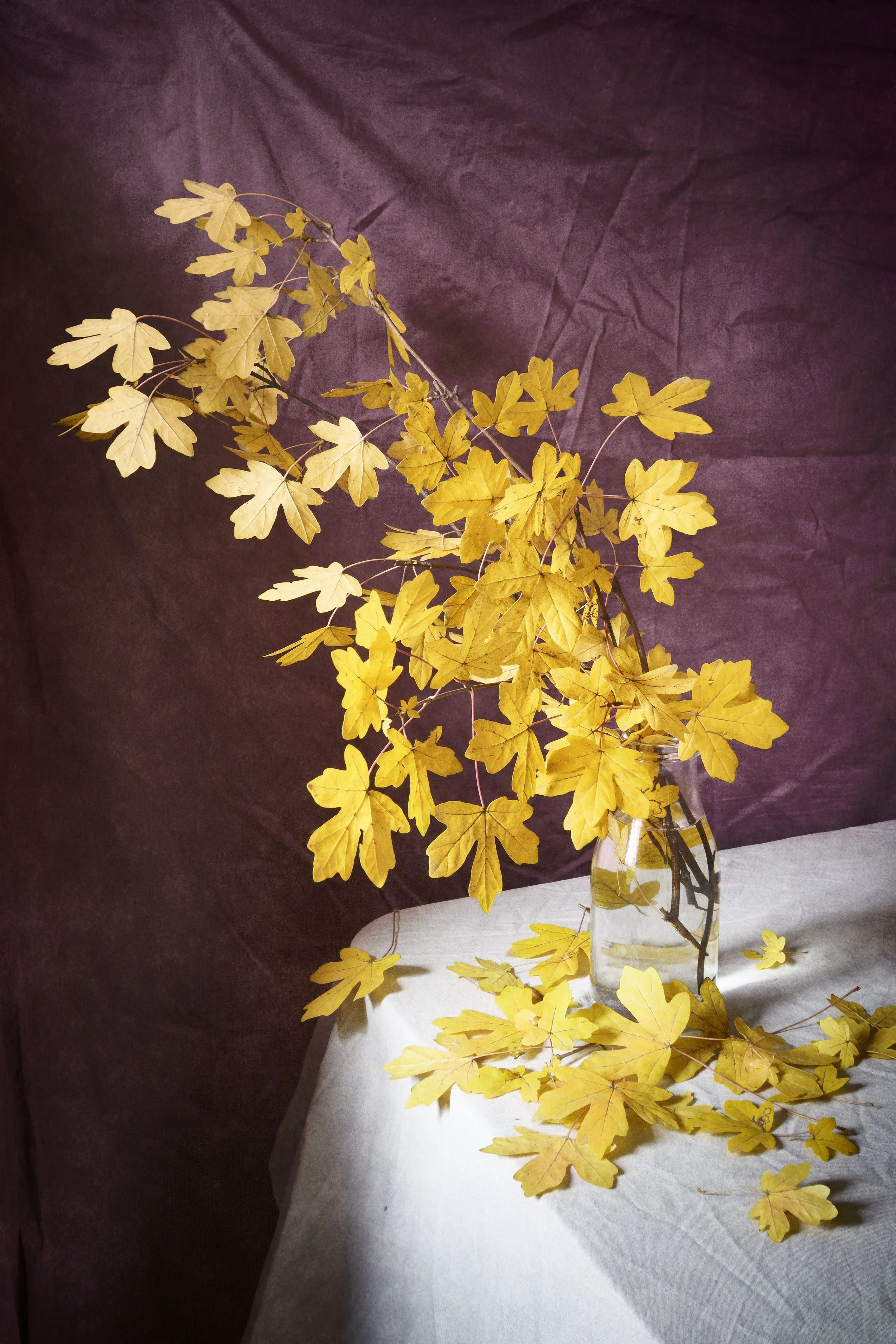
Which composition is the most popular in still-life photography?
In still-life photography, the symmetrical composition is one of the most popular compositions. This involves arranging the objects in the photograph around a central axis or point of balance, creating a sense of balance and order. Symmetrical compositions can be particularly effective for creating a sense of calm and stability in a photograph.
Other popular compositions in still-life photography include the diagonal composition, in which the objects are arranged along diagonal lines to create a sense of movement and dynamism; the triangular composition, in which the objects are arranged in a triangular shape to create a sense of stability and unity; and the asymmetrical composition, in which the objects are arranged in an irregular or unbalanced way to create a sense of tension or visual interest.
Ultimately, the best composition for a still-life photograph will depend on the subject matter, the purpose of the photograph, and the desired mood or tone. It's important to experiment with different compositions and to consider the relationship between the objects in the photograph and the overall composition.
What lighting technique is preferable in still-life photography?
In still-life photography, the best lighting technique will depend on the subject matter, the desired mood or tone, and the overall aesthetic of the photograph. Some common lighting techniques used in still-life photography include:
Natural light: Natural light can create a soft, diffuse light that is well-suited to still-life photography. Natural light can be used to create a sense of warmth and intimacy in a photograph.
Studio lighting: Studio lighting involves using artificial light sources, such as flash units or continuous lights, to illuminate the subject. Studio lighting can be used to create a wide range of lighting effects, from bright and directional to soft and diffused.
Low key lighting: Low key lighting involves using a single, directional light source to create a contrast between light and shadow. This can create a moody, dramatic effect in a still-life photograph.
High key lighting: High key lighting involves using a soft, diffuse light source to create a bright, evenly lit photograph. This can create a sense of clarity and simplicity in a still-life photograph.
Ultimately, the best lighting technique will depend on the subject matter and the desired effect. It's important to experiment with different lighting techniques and consider the light's direction, intensity, and quality in relation to the subject.
When to use bright colors in still-life photography?
Bright colors can be a powerful element in still-life photography and can be used to create a wide range of effects. Here are a few situations in which bright colors might be used in still-life photography:
To create visual interest: Bright colors can draw the eye and create a sense of excitement and energy in a photograph. They can be used to highlight certain elements in the photograph and to create a sense of movement.
To convey a specific mood or emotion: Bright colors can be used to convey a sense of joy, happiness, or playfulness in a photograph. They can also be used to create a sense of drama or intensity.
To emphasize a particular theme or subject: Bright colors can be used to emphasize a specific theme or subject in a photograph, such as the colors of a particular season or the vibrancy of a particular type of object.
To create a sense of contrast: Bright colors can be used to create a sense of contrast with other elements in the photograph, such as neutral tones or muted colors. This can help to draw attention to the bright colors and to create a sense of balance and harmony in the photograph.
It's important to consider the context in which bright colors are used and to ensure that they are appropriate for the subject matter and the desired effect.
How to add depth to the still-life image?
There are several ways to add depth to a still-life image:
Use perspective: Using perspective can create a sense of depth in a photograph by using the relative size and position of objects to create a sense of distance. For example, placing objects at different distances from the camera or using a telephoto lens to compress the distance between objects can create a sense of depth.
Use depth of field: Depth of field refers to the distance over which objects in a photograph appear to be in focus. Using a shallow depth of field, in which only a small portion of the photograph is in focus, can create a sense of depth by drawing attention to the objects that are in focus and creating a sense of distance between those objects and the background.
Use layering: Arranging objects in layers, with objects in the foreground, middle ground, and background, can create a sense of depth in a photograph. This can be achieved by using different levels of focus or by using different sizes or shapes of objects.
Use lighting: Using lighting to create contrast and shadow can create a sense of depth in a photograph. For example, using backlighting to create a sense of separation between the foreground and background can create a sense of depth.
It's important to consider the overall composition of the photograph and to use a combination of these techniques to create a sense of depth in a still-life image.
How reflections can improve still-life picture?
Reflections can be a powerful element in still-life photography and can be used to add depth, interest, and visual complexity to a photograph. Here are a few ways in which reflections can improve a still-life picture:
Add depth: Using reflections can create a sense of depth and dimension in a photograph by adding a second layer of visual information. This can be particularly effective when the reflections are slightly distorted or distorted, as it can create a sense of movement and dynamism.
Create interest: Reflections can add visual interest to a photograph by adding an element of surprise or by creating a sense of mystery. This can be achieved by using reflective surfaces such as mirrors, polished metal, or water.
Create symmetry: Reflections can be used to create a sense of symmetry in a photograph, particularly when the reflection is a mirror image of the primary subject. This can create a sense of balance and harmony in the photograph.
Create contrast: Reflections can be used to create contrast in a photograph, particularly when the reflections are in stark contrast to the primary subject. This can be achieved by using reflections of light or dark objects or by using reflections of different colors.
It's important to consider the overall composition of the photograph and to use reflections in a way that enhances the overall image. Reflections can be a powerful tool in still-life photography, but they should be used in a way that is appropriate for the subject matter and the desired effect.
What texture could make a still-life image softer?
There are several textures that can be used to make a still-life image softer:
Fabric: Fabric, such as a soft blanket or a piece of silk, can add a soft, gentle texture to a still-life image. This can be particularly effective when the fabric is slightly out of focus or when it is used in combination with other soft, textured elements.
Feathers: Feathers can add a soft, fluffy texture to a still-life image. This can be particularly effective when the feathers are used in combination with other soft, textured elements, such as fabric or fur.
Fur: Fur can add a soft, plush texture to a still-life image. This can be particularly effective when the fur is used in combination with other soft, textured elements, such as fabric or feathers.
Petals: Petals, such as those from flowers or plants, can add a soft, delicate texture to a still-life image. This can be particularly effective when the petals are used in combination with other soft, textured elements, such as fabric or feathers.
It's important to consider the overall composition of the photograph and to use texture in a way that enhances the overall image. Texture can be a powerful tool in still-life photography, but it should be used in a way that is appropriate for the subject matter and the desired effect.
Why symmetry can make a still-life image balanced?
Symmetry can make a still-life image balanced by creating a sense of balance and harmony in the photograph. When elements in a photograph are symmetrical, they are arranged in a way that is visually balanced and pleasing to the eye. This can create a sense of stability and order in the photograph, which can be particularly effective when the subject matter is complex or chaotic.
Symmetry can be achieved in a still-life image by placing objects in the photograph along a central axis or by dividing the photograph into equal halves. This can create a sense of balance and harmony, even if the objects themselves are not symmetrical.
In addition to creating a sense of balance, symmetry can also add visual interest to a still-life image. For example, using reflections or repeating patterns can create a sense of symmetry, which can draw the viewer's attention and create a sense of intrigue.
Overall, symmetry can be a powerful tool in still-life photography and can be used to create a sense of balance and harmony in the photograph. It's important to consider the overall composition of the photograph and to use symmetry in a way that enhances the overall image.
How to define what negative space is in still-life photography?
In still-life photography, negative space refers to the areas of the photograph that are not occupied by the primary subject or objects. Negative space can be used to create a sense of balance, simplicity, and visual interest in a photograph.
Negative space can be created in a number of ways in still-life photography, such as by using a plain or uncluttered background, by using a wide-angle lens to include more of the surrounding environment in the photograph, or by using a shallow depth of field to blur the background and create a sense of separation between the foreground and background.
Negative space can be an important element in still-life photography, as it can help to emphasize the primary subject and to create a sense of visual balance. It's important to consider the role of negative space in the overall composition of the photograph and to use it in a way that enhances the overall image.
Which backgrounds in still-life photography can help to achieve higher depth?
There are several backgrounds that can be used in still-life photography to create a sense of depth:
Graduated backgrounds: Graduated backgrounds, which are backgrounds that transition from light to dark or from one color to another, can create a sense of depth in a still-life photograph. This can be achieved by using a graduated background that is darker in the foreground and lighter in the background, which can create a sense of distance between the foreground and background.
Textured backgrounds: Textured backgrounds, such as brick walls or wood panels, can create a sense of depth in a still-life photograph. This can be achieved by using a textured background that is slightly out of focus, which can create a sense of distance between the foreground and background.
Blurred backgrounds: Blurred backgrounds, which are backgrounds that are out of focus, can create a sense of depth in a still-life photograph. This can be achieved by using a shallow depth of field, which will blur the background and create a sense of separation between the foreground and background.
Detailed backgrounds: Detailed backgrounds, such as landscapes or cityscapes, can create a sense of depth in a still-life photograph. This can be achieved by using a wide-angle lens or by including more of the surrounding environment in the photograph, which can create a sense of distance between the foreground and background.
It's important to consider the overall composition of the photograph and to use the background in a way that enhances the overall image. The background can be an important element in still-life photography and can help to create a sense of depth and visual interest in the photograph.
How can we capture movement in still-life photography?
There are several ways to capture movement in still-life photography:
Use a slow shutter speed: Using a slow shutter speed can create a sense of movement in a still-life photograph by blurring the subject or objects that are in motion. This can be achieved by using a slower shutter speed, such as 1/15th of a second or slower, and by panning the camera to follow the movement of the subject.
Use motion blur: Motion blur can be used to create a sense of movement in a still-life photograph by blurring the subject or objects that are in motion. This can be achieved by using a slow shutter speed and by panning the camera to follow the movement of the subject.
Use panning: Panning is a technique in which the camera is moved to follow the movement of the subject. This can create a sense of movement in a still-life photograph by blurring the background and keeping the subject in focus.
Use compositional techniques: Compositional techniques, such as the use of diagonal lines or the use of leading lines, can create a sense of movement in a still-life photograph by drawing the viewer's eye through the photograph and suggesting a sense of direction or movement.
Overall, it's important to consider the overall composition of the photograph and to use a combination of these techniques to capture movement in a still-life photograph.
Why depth of field is important in still-life photography?
Depth of field is an important element in still-life photography because it determines which parts of the photograph are in focus and which parts are out of focus. By controlling the depth of field, photographers can draw attention to specific elements in the photograph and create a sense of depth and dimension.
There are several ways to control the depth of field in still-life photography:
Aperture: The aperture is the opening in the lens through which light enters the camera. By using a wide aperture, such as f/2.8 or f/4, photographers can create a shallow depth of field, which will blur the background and create a sense of separation between the foreground and background. By using a narrow aperture, such as f/11 or f/16, photographers can create a deep depth of field, which will keep the entire photograph in focus.
Focal length: The focal length of a lens determines the magnification of the image. By using a telephoto lens, which has a longer focal length, photographers can create a shallow depth of field and blur the background. By using a wide-angle lens, which has a shorter focal length, photographers can create a deep depth of field and keep the entire photograph in focus.
Distance: The distance between the camera and the subject can also affect the depth of field. By shooting from a closer distance, photographers can create a shallow depth of field, while shooting from a greater distance can create a deeper depth of field.
Overall, the depth of field is an important element in still-life photography and can be used to draw attention to specific elements in the photograph and create a sense of depth and dimension. It's important to consider the overall composition of the photograph and to use the depth of field in a way that enhances the overall image.
What is an essence of an object in still-life photography?
In still-life photography, the essence of an object refers to the fundamental qualities or characteristics that define the object. The essence of an object can be conveyed through the use of composition, lighting, and other visual elements.
For example, the essence of a flower might be conveyed through the use of color, texture, and form. A photograph of a flower might highlight the delicate, petal-like texture of the flower, the vibrant colors of the petals, and the overall shape and form of the flower.
Capturing the essence of an object in still-life photography can be challenging, as it requires the photographer to convey the fundamental qualities or characteristics of the object in a way that is visually appealing and meaningful to the viewer. It's important to consider the overall composition of the photograph and to use a combination of visual elements to convey the essence of the object.
Can shoot still-life photography with a smartphone giving high-quality images?
Yes, it is possible to shoot high-quality still-life photography with a smartphone. Many modern smartphones are equipped with high-quality cameras that are capable of capturing detailed, well-exposed photographs.
To achieve high-quality still-life photography with a smartphone, it's important to follow a few key tips:
Use a tripod: A tripod can help to stabilize the camera and reduce camera shake, which can improve the sharpness and clarity of the photograph.
Use natural light: Natural light can create a soft, diffuse light that is well-suited to still-life photography. Use natural light to illuminate the subject and to create a sense of warmth and intimacy in the photograph.
Experiment with different camera modes: Many smartphones have different camera modes, such as manual mode or portrait mode, which can be used to control the exposure and focus of the photograph. Experiment with different camera modes to find the one that works best for the subject matter and the desired effect.
Edit the photograph: Many smartphone cameras come with editing tools that can be used to adjust the exposure, contrast, and color of the photograph. Use these tools to fine-tune the photograph and to create the desired effect.
Overall, it is possible to achieve high-quality still-life photography with a smartphone by using a tripod, using natural light, experimenting with different camera modes, and editing the photograph.
How to use natural light in still-life photography?
Using natural light in still-life photography can create a soft, diffuse light that is well-suited to capturing the details and textures of the subject. Here are a few tips for using natural light in still-life photography:
Look for soft, diffused light: Soft, diffused light is well-suited to still-life photography, as it creates a soft, even light that is gentle on the subject. Look for light that is filtered through a window, a sheer curtain, or a softbox to create a soft, diffused light.
Experiment with different times of day: The quality of natural light changes throughout the day, so it's important to experiment with different times of day to find the light that works best for the subject matter. Morning and late afternoon light is often considered the most flattering for still-life photography, as it creates a soft, warm light that is well-suited to capturing the details and textures of the subject.
Use reflectors: Reflectors can be used to bounce light onto the subject and to fill in shadows. This can help to create a more even, balanced light that is well-suited to still-life photography.
Use artificial light to supplement natural light: If the natural light is not sufficient or if the desired effect cannot be achieved with natural light alone, artificial light can be used to supplement the natural light. This can be achieved through the use of a flash, a continuous light source, or a reflector.
Overall, it's important to experiment with different light sources and to use a combination of natural and artificial light to achieve the desired effect in still-life photography.
Does shooting still-life photography with a DSLR require special skills?
Shooting still-life photography with a DSLR (digital single-lens reflex) camera does require some special skills. A DSLR camera is a type of camera that uses a mirror system to reflect light from the lens to the viewfinder, allowing the photographer to preview the image and make adjustments before taking the photograph.
To achieve high-quality still-life photographs with a DSLR, photographers need to have a good understanding of the camera's controls and settings, including aperture, shutter speed, ISO, and white balance. They also need to have an understanding of composition, lighting, and other technical and artistic aspects of photography.
In addition to these technical skills, photographers also need to have an eye for detail and a sense of creativity. Still-life photography requires the photographer to pay attention to the small details and to create compositions that are visually appealing and meaningful to the viewer.
Overall, shooting still-life photography with a DSLR requires a combination of technical skills and artistic vision. With practice and experience, photographers can develop these skills and create high-quality still-life photographs with a DSLR camera.
Why storytelling plays important role in still-life photography?
Storytelling plays an important role in still-life photography because it allows the photographer to convey a message or a story through the photograph. A well-told story can add depth and meaning to a still-life photograph and can engage the viewer in a way that goes beyond the visual elements of the photograph.
There are several ways that photographers can use storytelling in still-life photography:
Use props and other visual elements: Props and other visual elements, such as flowers, books, or other objects, can be used to create a narrative in a still-life photograph. For example, a photograph of a vase of flowers might be used to convey the passage of time or the fleeting nature of life.
Use lighting and composition: Lighting and composition can be used to create a sense of mood or atmosphere in a still-life photograph. For example, a photograph that is shot with a low, sidelight might be used to convey a sense of mystery or intrigue, while a photograph that is shot with a high, overhead light might be used to convey a sense of clarity or simplicity.
Use a theme: A theme can be used to create a cohesive story in a series of still-life photographs. For example, a series of photographs that are all shot in black and white might be used to convey a sense of timelessness or nostalgia.
Overall, storytelling is an important element in still-life photography and can be used to add depth and meaning to the photograph. It's important to consider the overall composition of the photograph and to use a combination of visual elements and techniques to create a compelling story.
How to shoot still-life photography for commercial purposes?
To shoot still-life photography for commercial purposes, it's important to follow a few key steps:
Determine the purpose of the photograph: Before shooting, it's important to determine the purpose of the photograph. What is the photograph being used for? Is it being used to sell a product, to illustrate a concept, or to convey a message? Knowing the purpose of the photograph will help to guide the composition and style of the photograph.
Choose the right equipment: Depending on the purpose of the photograph and the desired effect, different equipment may be needed. For example, a product photograph may require a tripod and a macro lens to capture fine details, while a conceptual photograph may require a wide-angle lens to create a sense of context.
Use professional lighting: Professional lighting is crucial for commercial still-life photography, as it can help to create a sense of depth and dimension in the photograph. Use a combination of natural and artificial light to create a well-balanced, professional-looking photograph.
Consider the composition: The composition of the photograph is crucial for commercial still-life photography. Use the rule of thirds, leading lines, and other compositional techniques to create a visually appealing photograph that conveys the desired message.
Edit the photograph: After shooting, it's important to edit the photograph to create the desired effect. Use photo editing software to adjust the exposure, contrast, color, and other technical aspects of the photograph to create a professional-looking image.
Overall, shooting still-life photography for commercial purposes requires a combination of technical skills and artistic vision. By following these steps and using the right equipment and techniques, photographers can create high-quality still-life photographs that are suitable for commercial purposes.
What are 5 examples of personal projects that still-life photography can be part of?
Here are five examples of personal projects that still-life photography could be part of:
A daily still-life project: In this project, the photographer could take a still-life photograph every day, capturing a small moment or detail from their daily life.
A still-life portrait series: In this project, the photographer could create a series of still-life portraits that capture the personality and character of their subjects. This could be achieved through the use of props, lighting, and other visual elements.
A still-life food project: In this project, the photographer could create a series of still-life photographs that focus on food and the art of cooking. This could include photographs of ingredients, prepared dishes, or food in the process of being cooked.
A still-life nature project: In this project, the photographer could create a series of still-life photographs that focus on nature and the natural world. This could include photographs of flowers, plants, insects, or other elements of the natural world.
A still-life abstract project: In this project, the photographer could create a series of still-life photographs that are abstract and conceptual in nature. This could be achieved through the use of light, color, and other visual elements to create a sense of mystery or intrigue.
Overall, still-life photography can be a part of a wide range of personal projects, and photographers can use it to explore a variety of themes and ideas.
How post-processing techniques can improve the quality of still-life photo images?
Post-processing techniques can be used to improve the quality of still-life photo images in many ways:
Adjusting exposure: Exposure refers to the amount of light that is captured in a photograph. By adjusting the exposure in post-processing, photographers can make the photograph lighter or darker, depending on the desired effect.
Adjusting contrast: Contrast refers to the difference between the light and dark areas of a photograph. By adjusting the contrast in post-processing, photographers can make the photograph more or less contrasted, depending on the desired effect.
Adjusting color: Color can be an important element in still-life photography, and post-processing techniques can be used to adjust the color of the photograph. Photographers can adjust the hue, saturation, and luminance of the photograph to create the desired color effect.
Adjusting sharpness: Sharpness refers to the clarity and detail of a photograph. By adjusting the sharpness in post-processing, photographers can make the photograph more or less sharp, depending on the desired effect.
Removing distractions: Post-processing techniques can also be used to remove distractions from the photograph, such as dust spots or other blemishes.
Overall, post-processing techniques can be used to improve the quality of still-life photo images by adjusting exposure, contrast, color, and sharpness, and removing distractions. It's important to use these techniques in a way that enhances the overall image and preserves the natural appearance of the photograph.
What kind of studio setting is needed for still-life photography?
The type of studio setting needed for still-life photography depends on the subject matter and the desired effect. Here are a few factors to consider when setting up a studio for still-life photography:
Space: A studio for still-life photography should have enough space to accommodate the subject matter and any props or equipment needed for the photograph.
Lighting: Lighting is a crucial element in still-life photography, and the studio should have good lighting that is well-suited to the subject matter. This could include natural light, artificial light, or a combination of both.
Background: The background of the photograph can be an important element in still-life photography, and the studio should have a variety of backgrounds available to suit different subject matter. This could include solid-color backgrounds, textured backgrounds, or white seamless paper.
Props and accessories: Depending on the subject matter, the studio may need to have a variety of props and accessories available, such as flowers, books, or other objects.
Overall, the type of studio setting needed for still-life photography depends on the subject matter and the desired effect. It's important to have a space that is well-suited to the subject matter and that has the necessary lighting and background options available.