Old Town Postcards
Set #007
Going to visit Gdańsk? Order cards in advance to post from there!
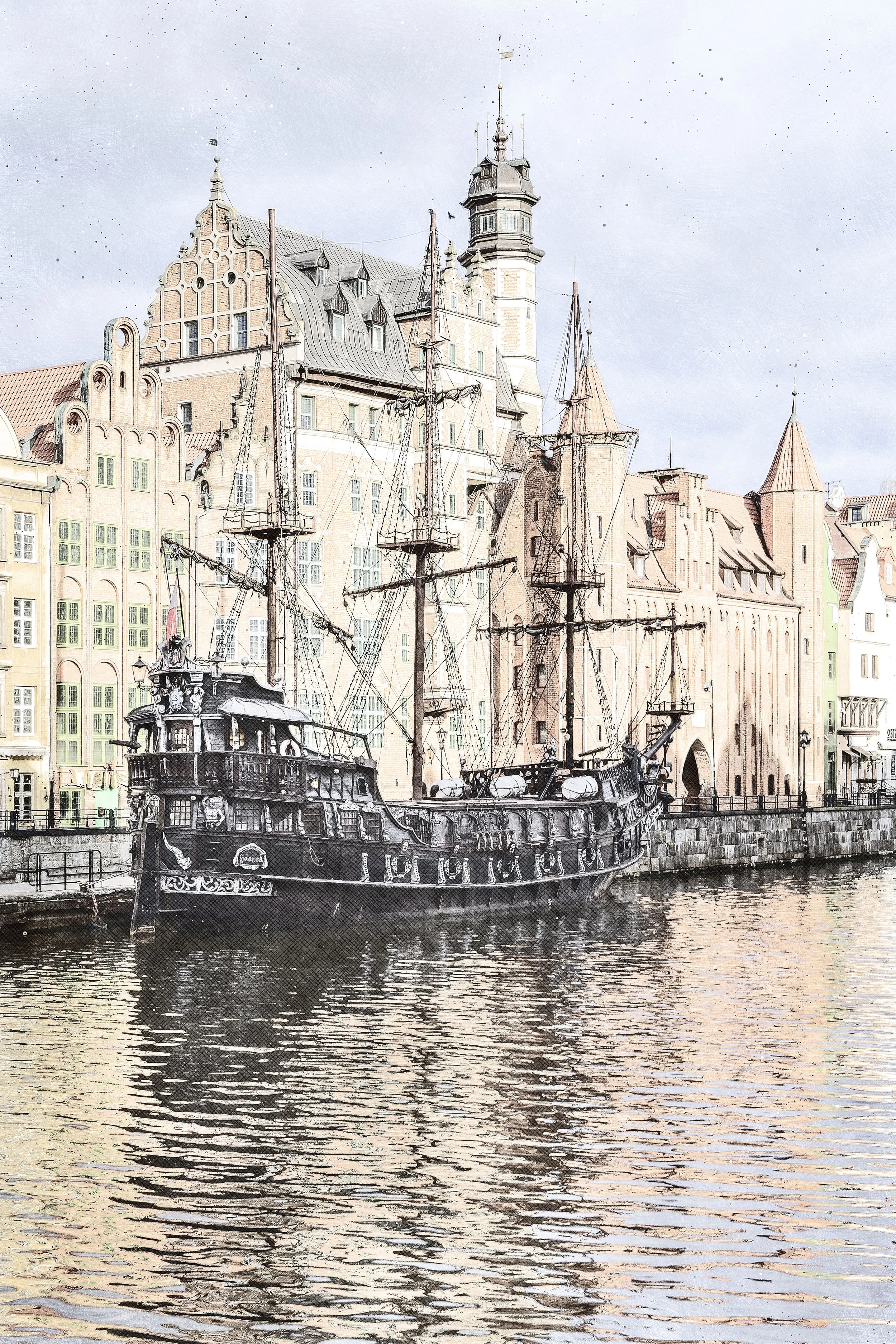
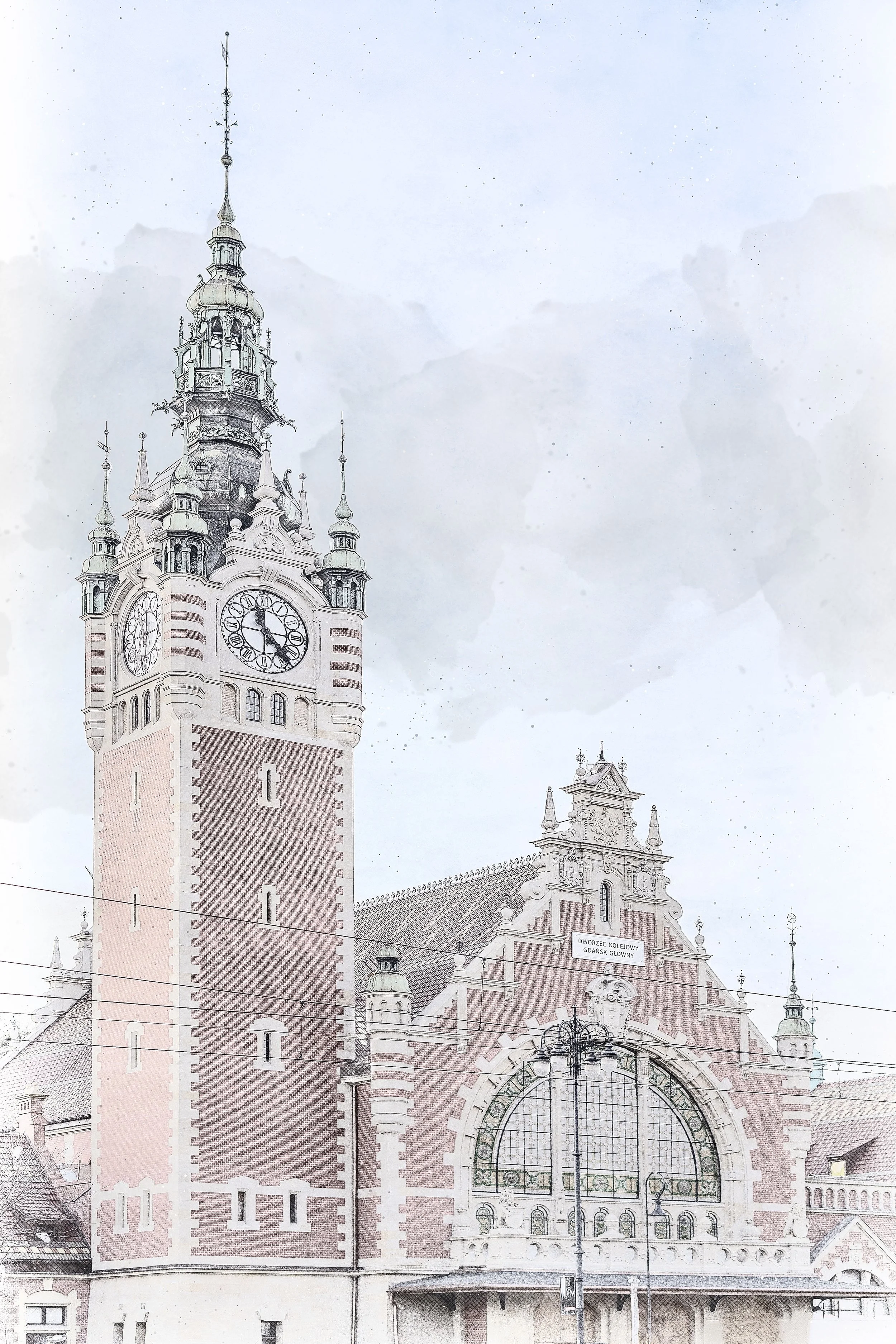
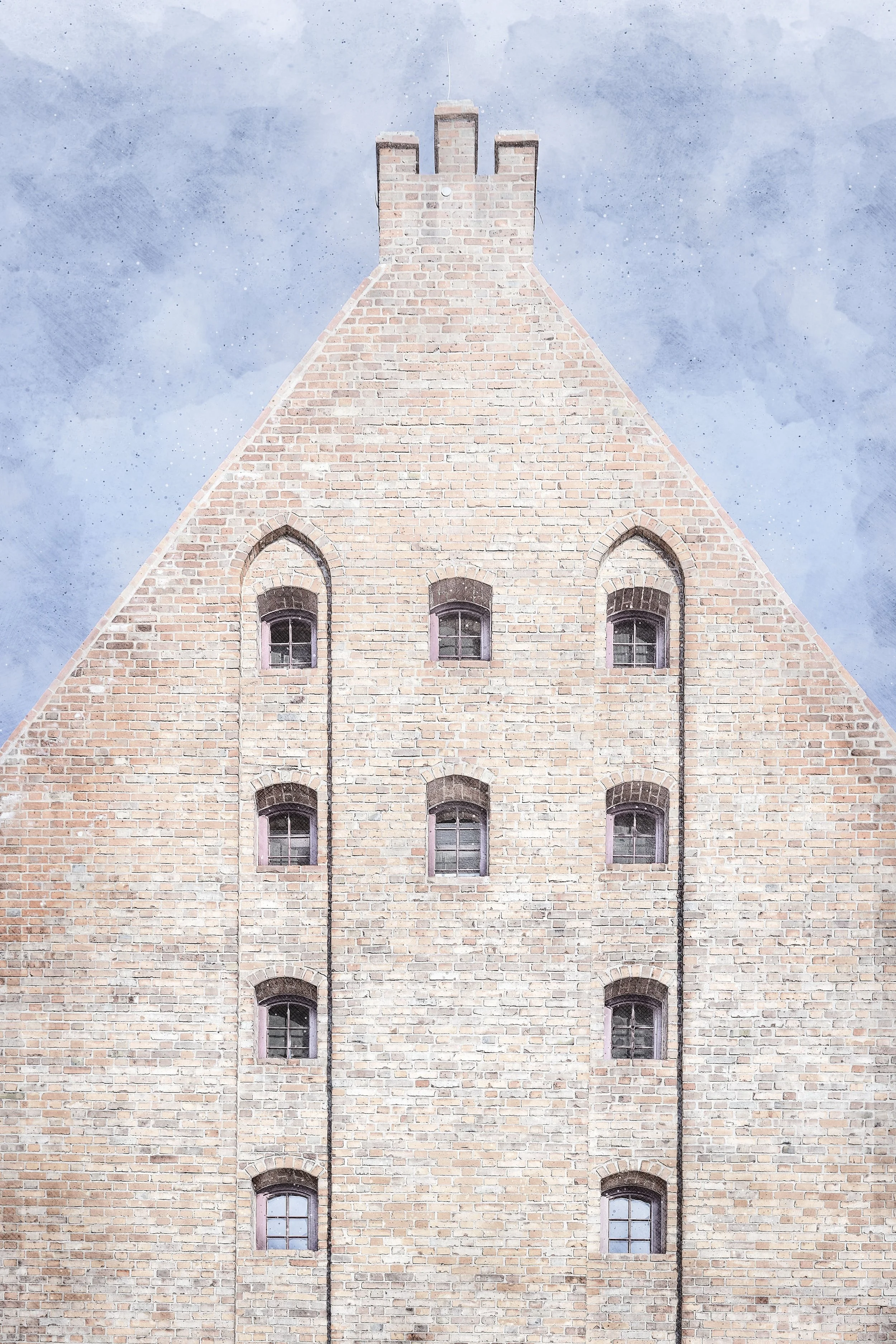
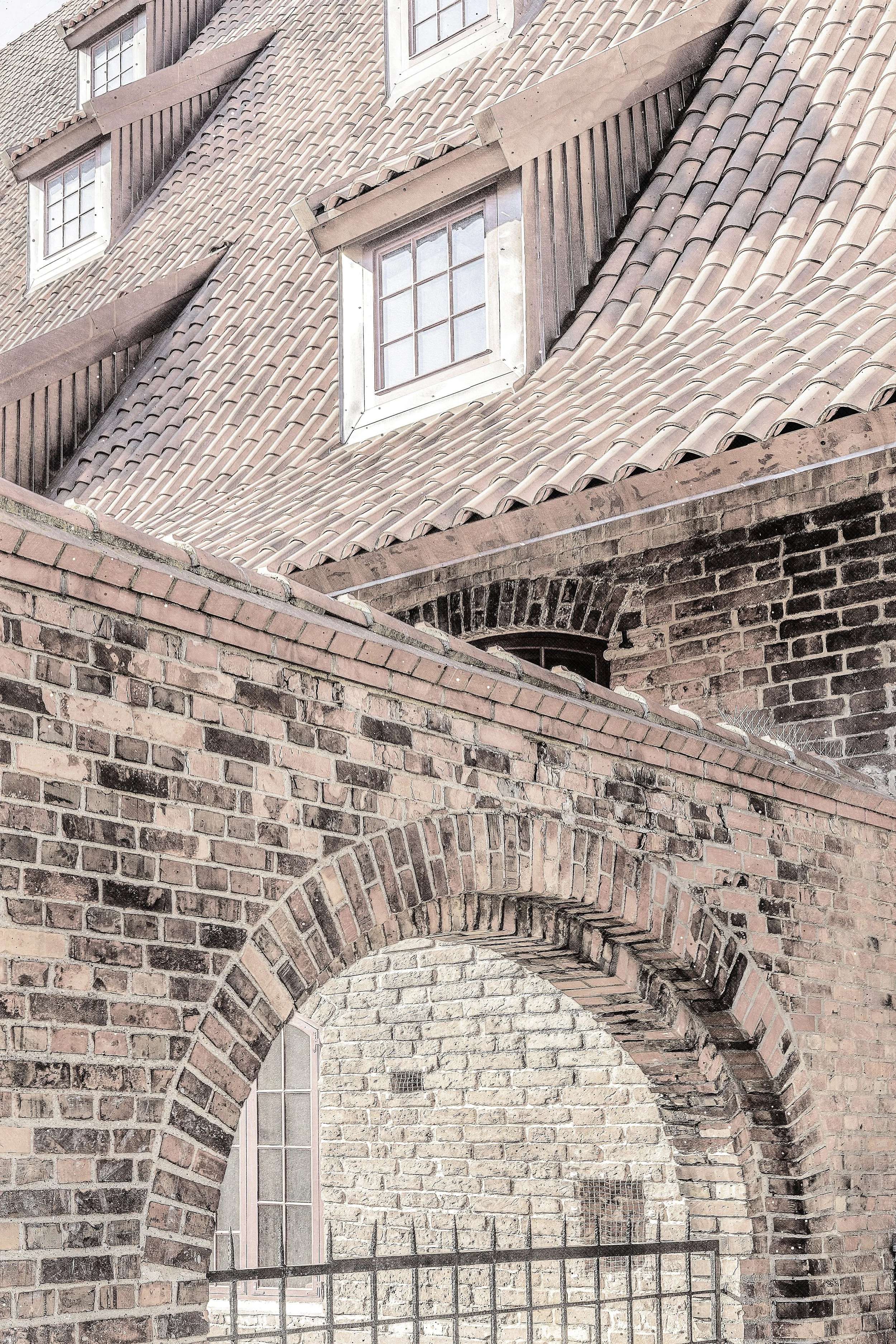

What are 10 of the most famous tourist places in Gdansk?
Gdansk is a beautiful city located on the Baltic Sea in Poland, with a rich history and culture. Here are 10 of the most famous tourist places in Gdansk that you should visit if you have the chance:
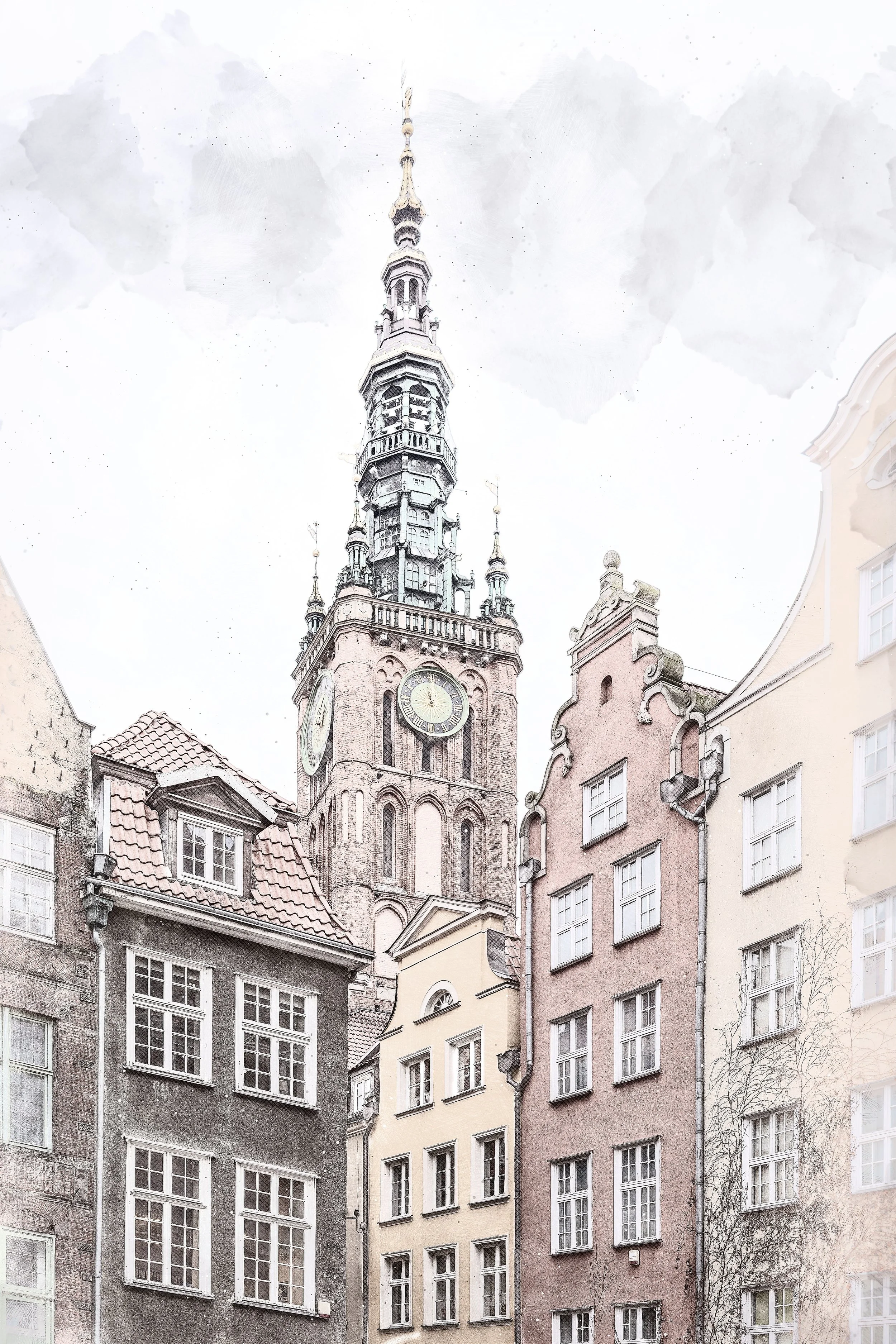
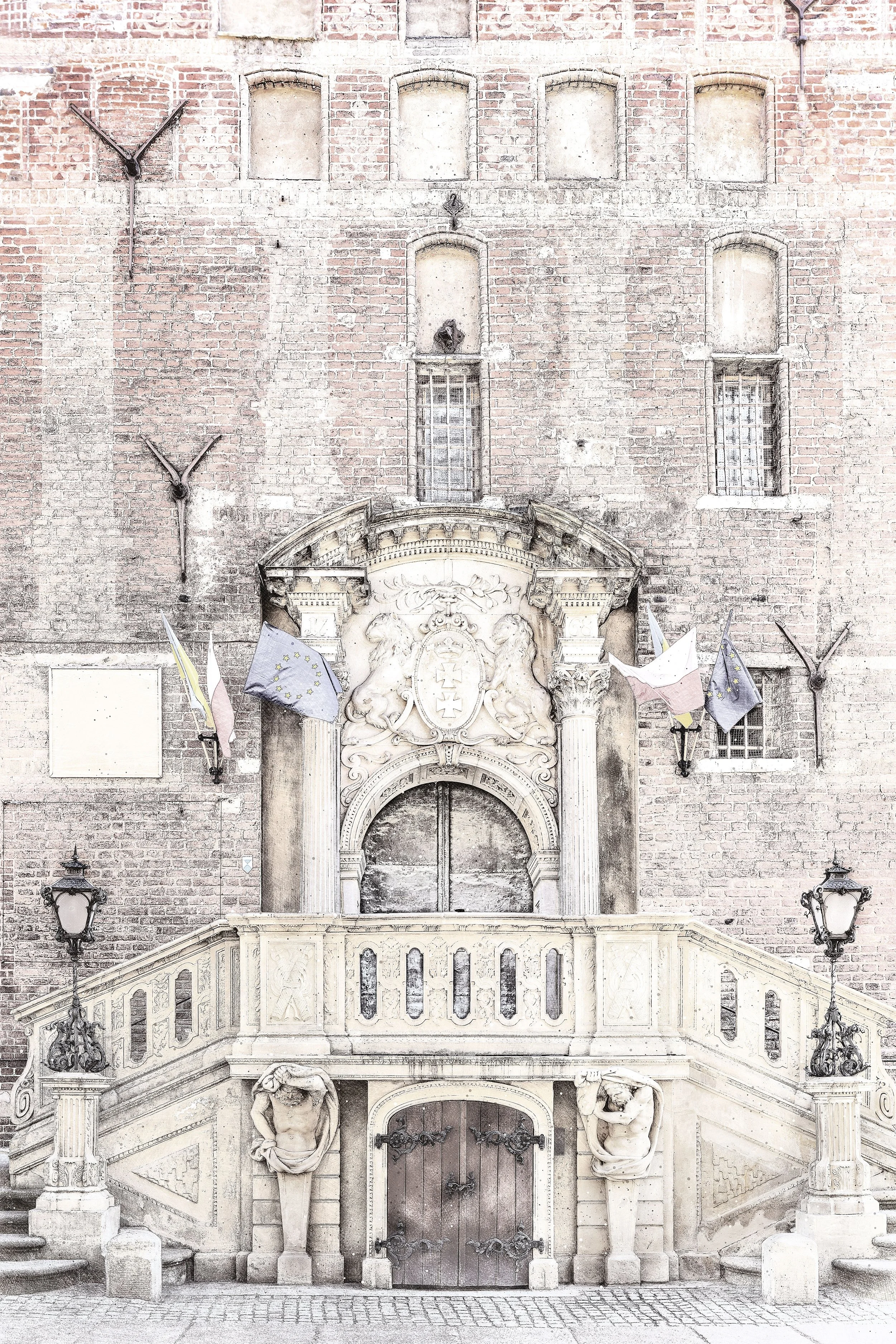
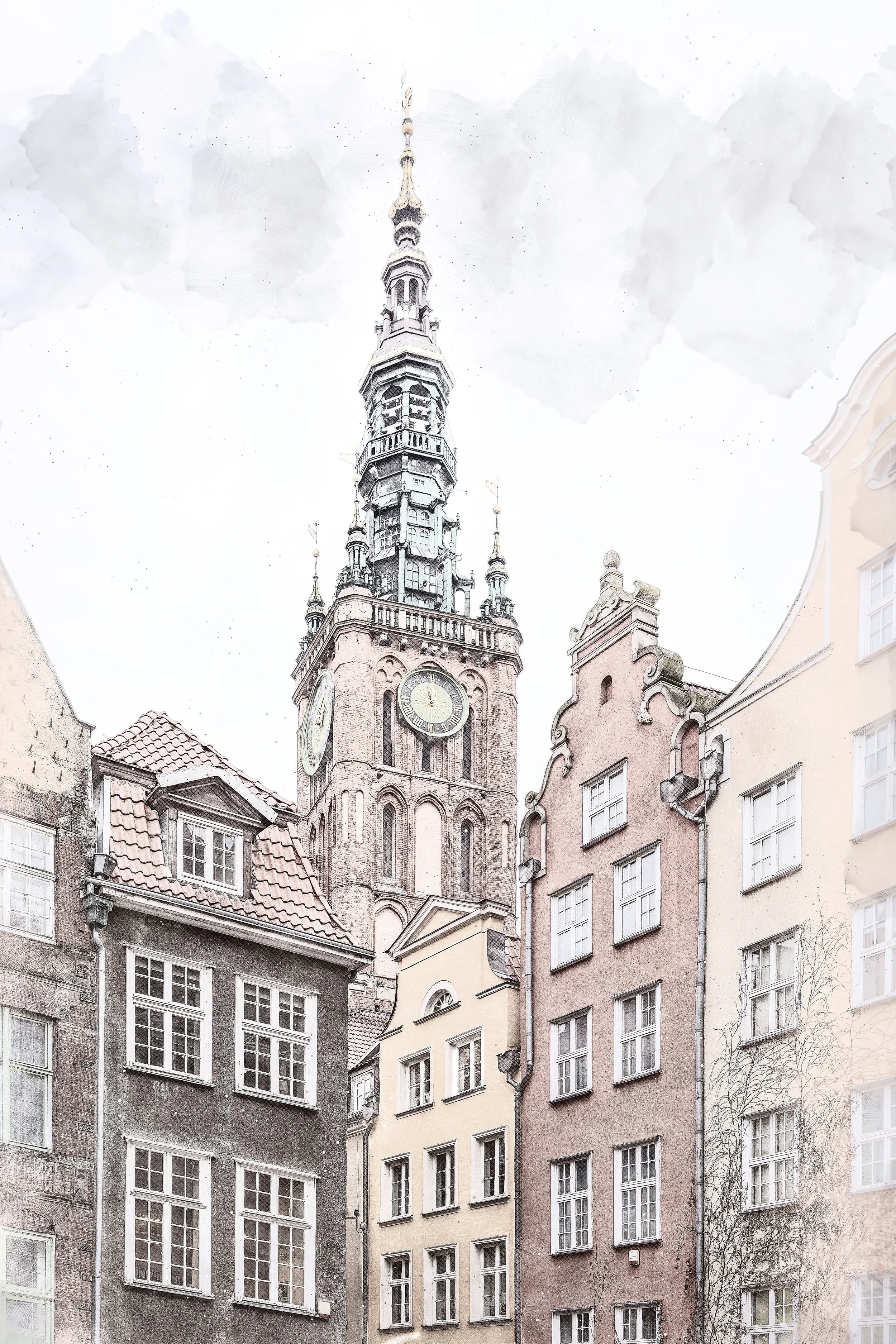
The Main Town Hall: This beautiful building is located in the heart of the city and is a great place to start your tour of Gdansk. It is a popular spot for tourists and locals alike, and offers panoramic views of the city from its tower.
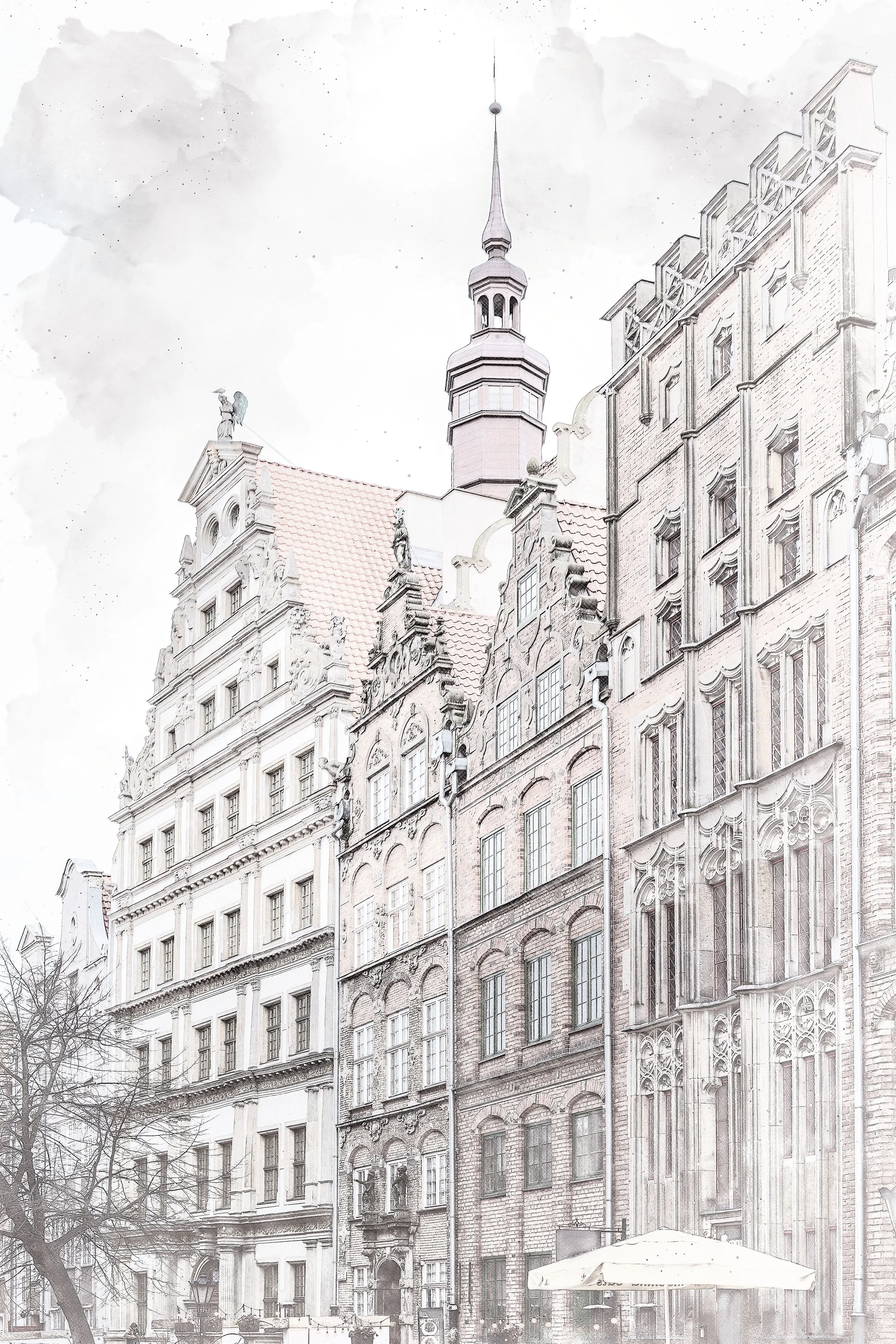
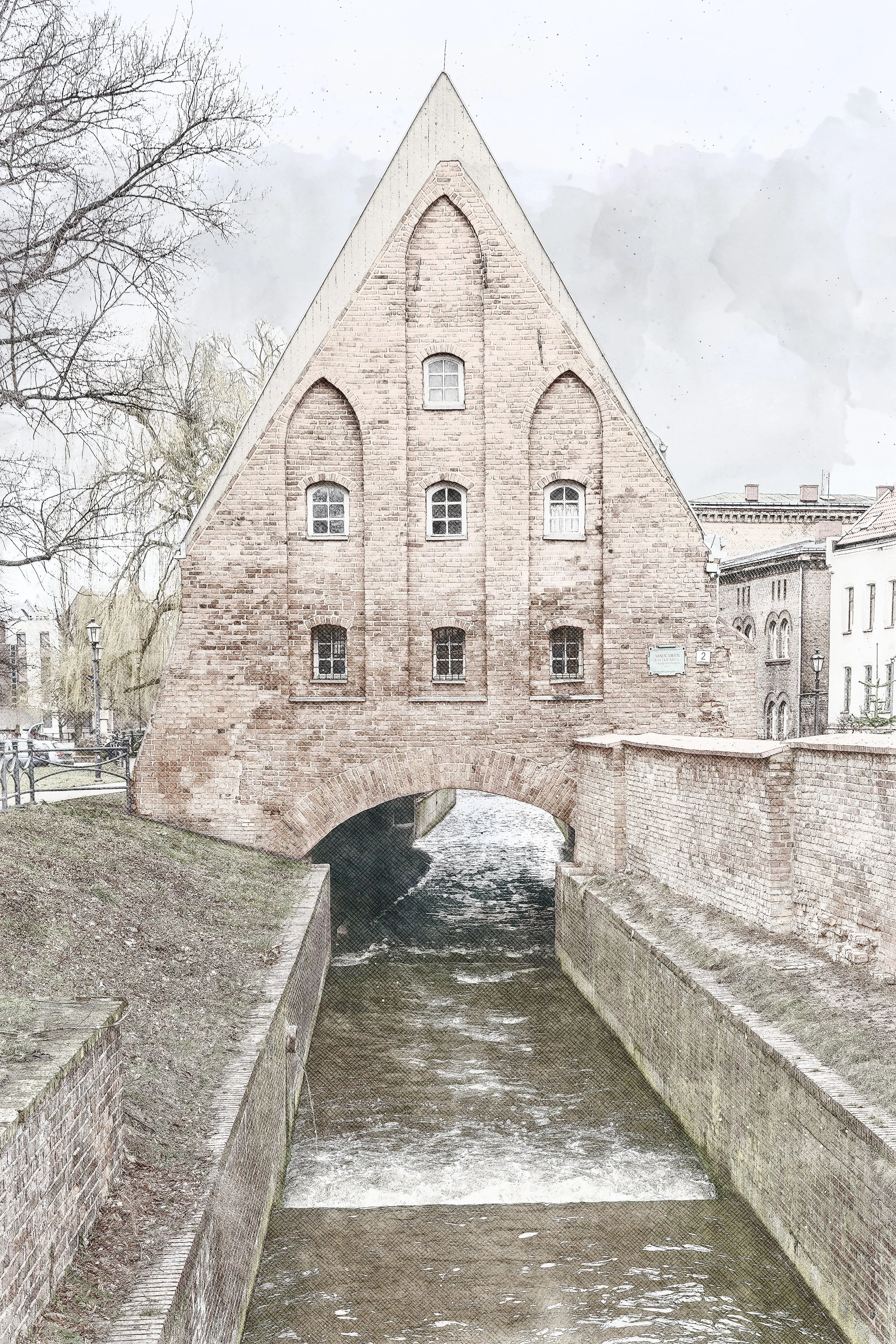
The Gdansk Old Town: This is the historic center of the city and is home to a number of landmarks and attractions, including the St. Mary's Church, the Golden Gate, and the Great Mill.
The Gdansk Shipyard: This is the site of the Solidarity movement, which played a crucial role in the collapse of communism in Eastern Europe. It is now a museum and a popular tourist attraction.
The Museum of the Second World War: This museum is dedicated to the history of World War II and the role that Gdansk played in the conflict. It features a number of exhibits and displays, including a reconstructed bunkers and a replica of a concentration camp.
The Oliwa Cathedral: This beautiful cathedral is located in the Oliwa district of Gdansk and is home to a number of works of art and cultural treasures. It is also home to the largest organ in Poland.
The Gdansk Zoological Garden: This is a great place to visit if you're traveling with kids. It is home to a number of animals, including lions, gorillas, and polar bears.
The Gdansk Artus Court: This is a beautiful Renaissance-style building that was once the center of cultural and social life in Gdansk. It is now home to a museum and is a popular tourist attraction.
The Gdansk City Walls: These walls were built in the 14th century to protect the city from invaders and are now a popular tourist attraction. They offer panoramic views of the city and the surrounding area.
The Gdansk Aquarium: This aquarium is home to a number of marine animals, including sharks, rays, and tropical fish. It is a great place to visit if you're interested in marine life.
The Gdansk Beach: Located on the Baltic Sea, Gdansk has a number of beautiful beaches that are popular with tourists and locals alike. They are a great place to relax and enjoy the sunshine during the summer months.
Which architectural styles we can find in Old Town in Gdansk?
The Old Town of Gdansk is a beautiful and historic area of the city that is home to several architectural styles. Here are some of the architectural styles you can find in the Old Town of Gdansk:
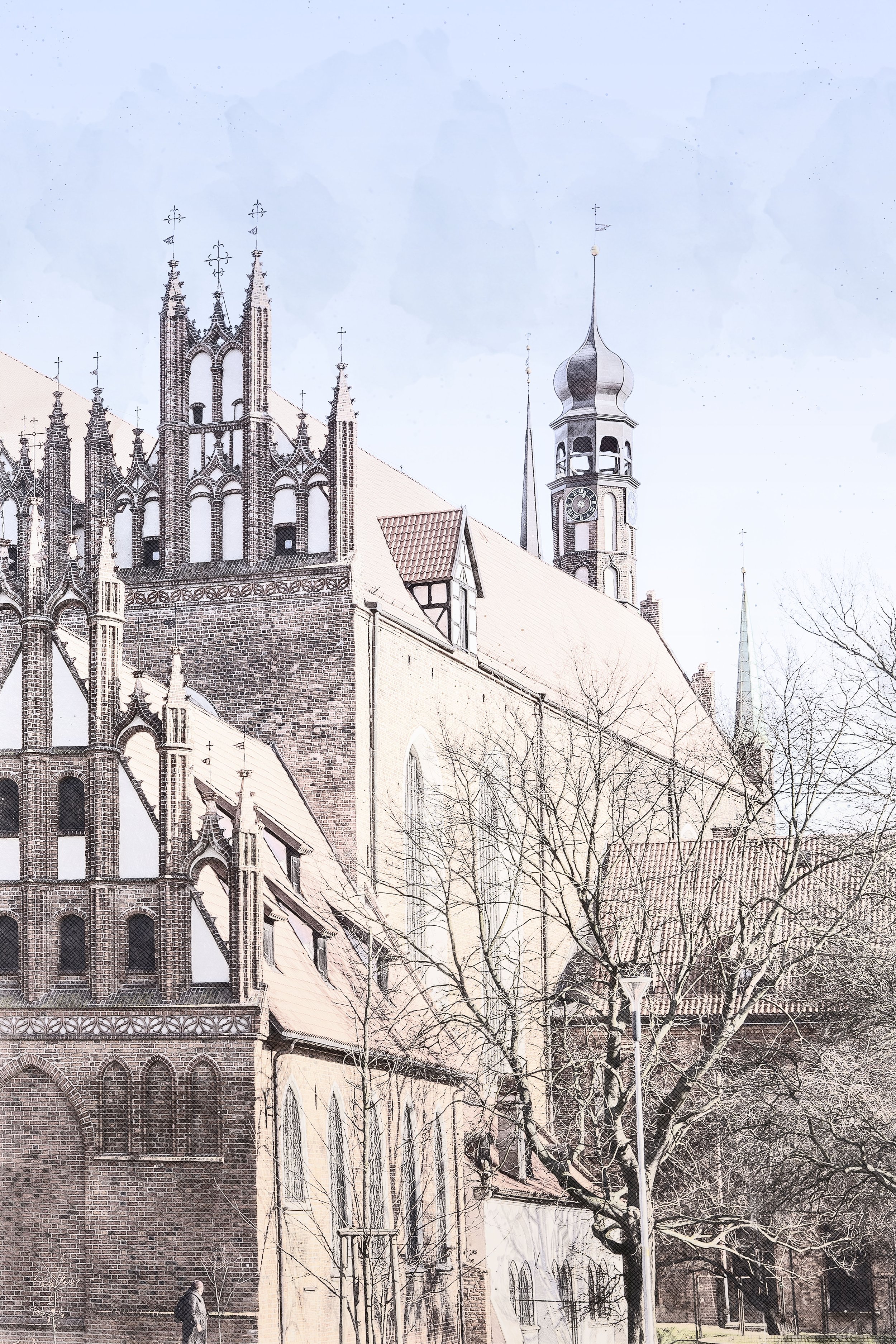
Gothic: The Old Town of Gdansk is home to several Gothic-style buildings, including the St. Mary's Church, which is the largest brick church in the world.
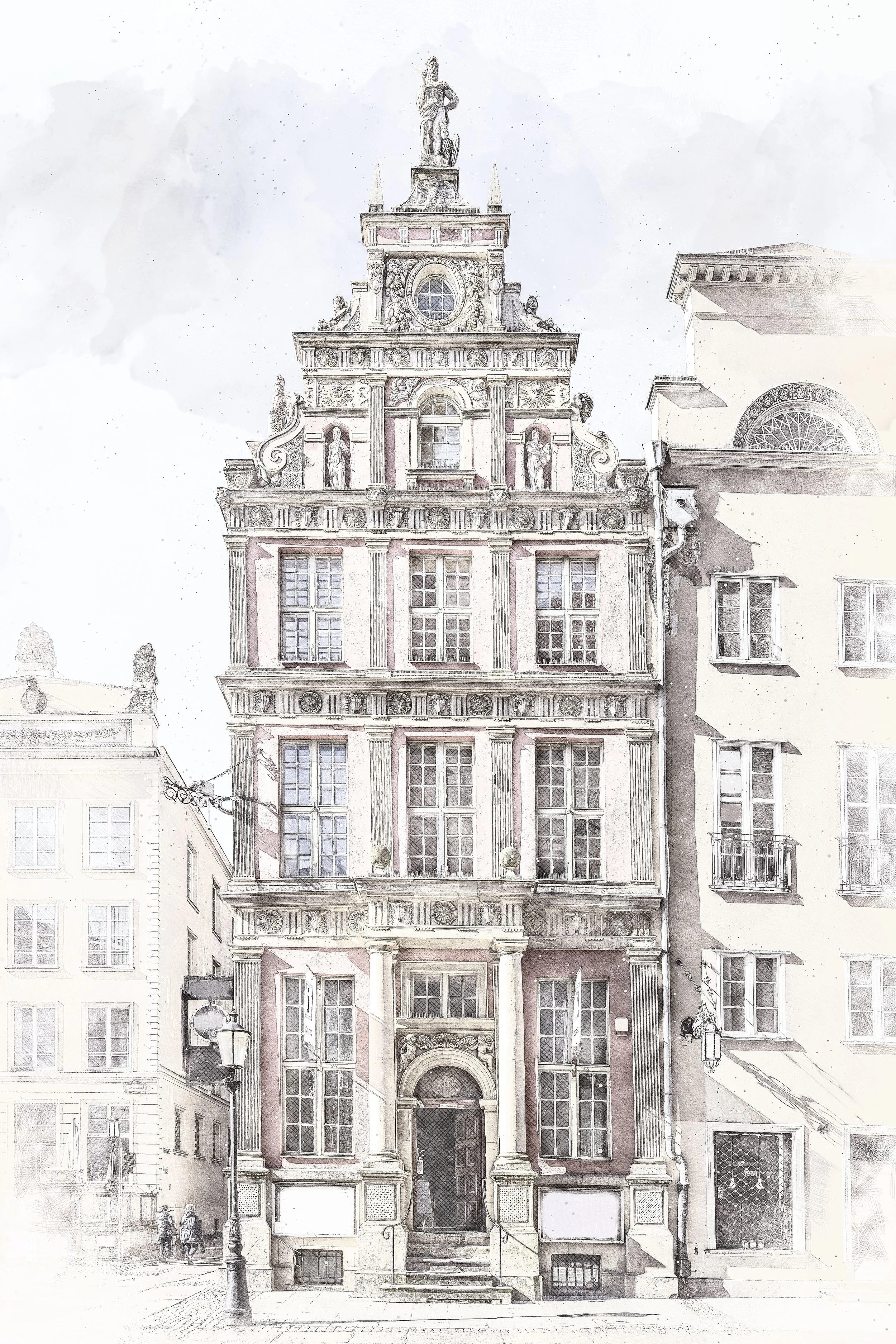
Renaissance: There are also several Renaissance-style buildings in the Old Town of Gdansk, including the Artus Court, which is a beautiful Renaissance-style building that was once the center of cultural and social life in the city.
Baroque: The Old Town of Gdansk is home to several Baroque-style buildings, including the Golden Gate, which is a beautiful Baroque-style building that was once the main entrance to the city.
Neoclassical: The Old Town of Gdansk is also home to several Neoclassical-style buildings, including the Great Mill, which is a beautiful Neoclassical-style building that was once used as a mill.
Modernist: In addition to these more traditional architectural styles, the Old Town of Gdansk is also home to several modernist-style buildings, including the Gdansk Shipyard, which was the site of the Solidarity movement and is now a popular tourist attraction.
Overall, the Old Town of Gdansk is a great place to explore the city's rich history and culture, and it offers something for everyone with its diverse range of architectural styles.
By what transport can we travel to Gdansk?
There are several ways to travel to Gdansk, depending on your location and preferences. Here are some of the most common ways to travel to Gdansk:
By plane: The main airport serving Gdansk is the Gdansk Lech Wałęsa Airport, which is located about 15 kilometers from the city center. The airport has direct flights to many cities in Europe and beyond.
By train: Gdansk has several train stations that are served by national and international trains. You can easily reach Gdansk by train from other cities in Poland, as well as from cities in other European countries.
By bus: Gdansk is well-connected to other cities in Poland and beyond by bus. Several bus companies operate regular services to and from Gdansk.
By car: If you prefer to travel by car, Gdansk is easily accessible by road from other cities in Poland and beyond. The city is located near the A1 motorway, which connects Gdansk to other major cities in the region.
Overall, there are many options for traveling to Gdansk, so you can choose the one that best suits your needs and preferences.
When is the coldest season in Gdansk?
The coldest season in Gdansk is typically winter, which runs from December to February. During this time, the weather in Gdansk is usually cold and rainy, with temperatures ranging from around freezing to just above freezing. It is also common for there to be snow during the winter months in Gdansk.
In terms of average temperatures, January is generally the coldest month in Gdansk, with an average high temperature of around 3°C (37°F) and an average low temperature of around -1°C (30°F).
It is important to dress warmly and bring appropriate clothing if you are planning to visit Gdansk during the winter months, as the weather can be quite chilly. Layering is a good way to stay warm, as you can adjust your clothing according to the temperature. It is also a good idea to bring a warm coat, gloves, and a hat to protect yourself from the cold.
What events going on in Gdansk in winter?
Many events and activities take place in Gdansk during the winter months, including:
Christmas markets: Gdansk has several Christmas markets that take place during the winter months, offering a range of festive goods and activities. These markets are a great way to get into the holiday spirit and enjoy the festive atmosphere of the city.
New Year's Eve celebrations: Gdansk has many events and celebrations that take place on New Year's Eve, including fireworks displays, live music, and other festivities.
Winter sports: The winter months are a great time to enjoy outdoor activities in Gdansk, such as skiing, ice skating, and sledding. The city has several ski resorts and ice rinks that are popular with tourists and locals alike.
Cultural events: Gdansk is home to many cultural events and festivals that take place during the winter months, including concerts, plays, and exhibitions.
Overall, there are plenty of things to do and see in Gdansk during the winter months, so you can enjoy the festive atmosphere and the city's rich culture and history.
Where to buy vintage postcards?
There are several places where you can buy vintage postcards, including:
Antique shops: Many antique shops specialize in vintage postcards and may have a selection for sale. You can often find a wide variety of vintage postcards at antique shops, including postcards from different eras and locations.
Online marketplaces: Many online marketplaces sell vintage postcards, such as eBay and Etsy. These sites often have a wide selection of vintage postcards from different eras and locations.
Postcard shows and fairs: Some cities host postcard shows and fairs where vendors sell vintage postcards. These events are a great opportunity to find a wide variety of vintage postcards and meet other collectors.
Estate sales: Estate sales are a great place to find vintage postcards, as they often include items from a person's collection.
Flea markets: Flea markets can be a good place to find vintage postcards, as vendors often sell a wide variety of items, including postcards.
Overall, there are many places where you can find vintage postcards, so you can choose the option that best suits your needs and preferences.
What are the 10 best Christmas greetings from Gdansk, Poland?
Here are 10 Christmas greetings from Gdansk, Poland that you can use to send to your friends and loved ones during the holiday season:
"Wesołych Świąt Bożego Narodzenia z Gdańska!" (Merry Christmas from Gdansk!)
"Z dalekiego Gdańska, życzenia świąteczne dla Ciebie i Twojej rodziny!" (From faraway Gdansk, Christmas wishes for you and your family!)
"Święta Bożego Narodzenia spędzane w Gdańsku to niezapomniane chwile!" (Christmas spent in Gdansk is an unforgettable moment!)
"Życzymy dużo radości i spokoju podczas Świąt Bożego Narodzenia w Gdańsku!" (We wish you a lot of joy and peace during Christmas in Gdansk!)
"Niech te Święta Bożego Narodzenia w Gdańsku będą pełne miłości i radości!" (May these Christmas in Gdansk be full of love and joy!)
"Święta Bożego Narodzenia to czas radości i rodzinnych spotkań, niech tak będzie również w Gdańsku!" (Christmas is a time of joy and family gatherings, may it be so in Gdansk as well!)
"Z dalekiego Gdańska życzymy wszystkiego najlepszego podczas Świąt Bożego Narodzenia!" (From faraway Gdansk, we wish you all the best during Christmas!)
"Życzymy wszystkim, którzy spędzają Święta Bożego Narodzenia w Gdańsku, aby były one pełne radości i miłości!" (We wish all those who are spending Christmas in Gdansk that it will be full of joy and love!)
"Niech te Święta Bożego Narodzenia w Gdańsku będą dla Was wyjątkowo radosne i pełne niezapomnianych chwil!" (May these Christmas in Gdansk be exceptionally joyous and full of unforgettable moments for you!)
"Z Gdańska życzymy Wam spokojnych, rodzinnych Świąt Bożego Narodzenia!" (From Gdansk, we wish you peaceful, family Christmas!)
Why Gdansk is one of the most underrated cities in Europe?
Gdansk is a city located in northern Poland on the Baltic Sea and is often considered one of the most underrated cities in Europe. There are several reasons why Gdansk may be considered underrated, including:
It's not as well-known as other major European cities: Gdansk is often overshadowed by other popular tourist destinations in Europe, such as Paris, London, and Rome, which may contribute to its relative lack of recognition.
It has a rich history that is not widely known: Gdansk has a long and rich history dating back to the Middle Ages, but this history is not as well-known as that of other European cities.
It's a small city with a less bustling atmosphere: Gdansk is a relatively small city compared to other major European cities, which may contribute to its underrated status. Its less bustling atmosphere can be a draw for those looking for a more relaxed and low-key vacation.
It's not as well-connected as other European cities: Gdansk is located in a relatively remote part of Europe, which may make it less convenient for travelers coming from other parts of the continent.
Despite these factors, Gdansk is a beautiful and interesting city with a lot to offer visitors. Its charming Old Town, rich history and beautiful location on the Baltic Sea make it worth a visit for anyone traveling to Europe.
What makes Gdansk friendly and perfectly safe?
Gdansk is a city located in northern Poland on the Baltic Sea and is generally considered to be a friendly and safe place to visit. Some of the factors that contribute to Gdansk's reputation as a friendly and safe city include:
A welcoming and hospitable culture: The people of Gdansk are known for their warm and welcoming nature, and visitors to the city are often struck by the friendliness of the locals.
A low crime rate: Gdansk has a relatively low crime rate compared to other major cities in Europe, and visitors to the city generally report feeling safe while exploring.
A well-maintained and safe public transportation system: Gdansk has a well-developed public transportation system that is clean, safe, and efficient, making it easy for visitors to get around the city without worrying about safety.
A number of tourist-friendly amenities: Gdansk has a number of amenities that are geared towards tourists, including a well-developed infrastructure for accommodation, dining, and entertainment. These amenities help to create a comfortable and safe environment for visitors to the city.
Overall, Gdansk is a welcoming and safe city that is well worth a visit. Its charming Old Town, rich history, and beautiful location on the Baltic Sea make it a perfect destination for travelers looking to experience the beauty and culture of Poland.
Why sending postcards is still popular?
Sending postcards is a popular activity that has been enjoyed by people for centuries. There are many reasons why people continue to send postcards, including:
A desire to stay connected with loved ones: Postcards are a simple and affordable way to stay in touch with friends and family, especially if they live far away or are traveling. Receiving a handwritten postcard in the mail can be a special and thoughtful way to let someone know you're thinking of them.
The thrill of receiving mail: In an age when most communication is done electronically, receiving physical mail can be a rare and exciting experience. Many people enjoy the thrill of opening their mailbox and finding a postcard from a loved one or a friend.
The opportunity to share experiences: Postcards are a great way to share your experiences and adventures with others. Whether you're on vacation or just out exploring your city, sending a postcard allows you to share your experiences with loved ones and give them a glimpse into your life.
The appeal of collecting: Many people enjoy collecting postcards as a hobby, and sending postcards allows them to add to their collection. Collecting postcards can be a fun and interesting way to learn about different places and cultures.
Overall, the popularity of sending postcards can be attributed to the simple pleasures they offer, such as the opportunity to connect with loved ones, share experiences, and collect interesting items.
What does the stature of Neptune symbolize?
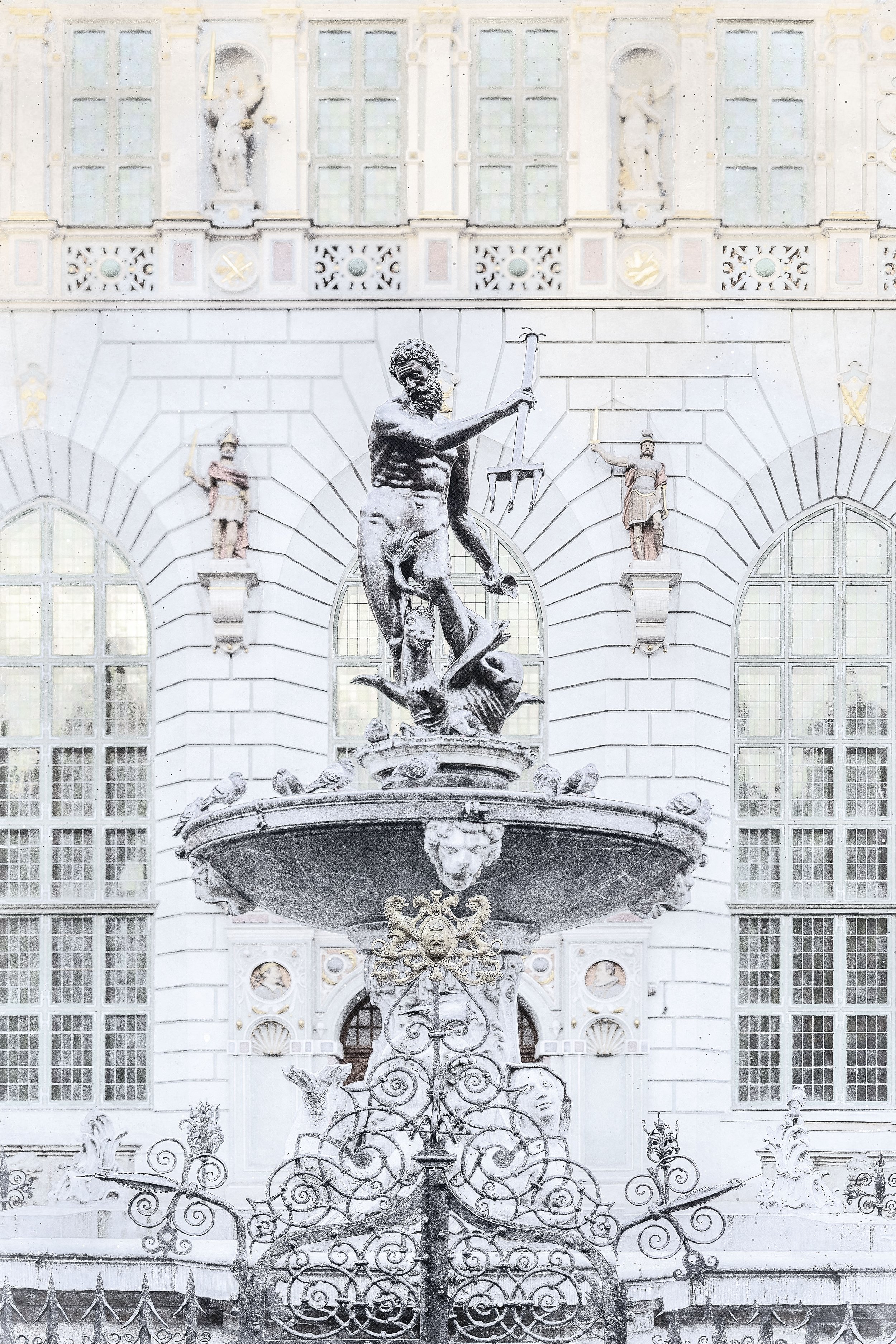
The statue of Neptune is a statue of the Roman god of the sea, Neptune, which is located in the city of Gdansk in northern Poland. The statue is located in the Old Town of Gdansk and stands in front of the Artus Court, a medieval merchants' guildhall.
The stature of Neptun is an important symbol of the city's history and its connections to the sea. Gdansk is located on the Baltic Sea and has a long history as a major port and trade center. The statue of Neptune represents the city's connection to the sea and its history as a maritime hub.
In addition to its historical significance, the statue of Neptune is also an important cultural symbol of Gdansk. It is a popular tourist attraction and a popular spot for photos. The statue is often decorated with flowers and other decorations and is a beloved symbol of the city.
Overall, the stature of Neptune symbolizes the city of Gdansk's rich history, its connection to the sea, and its cultural significance.
Why remainings of walls still kept in Gdansk?
The remainings of walls in Gdansk, a city located in northern Poland on the Baltic Sea, are still kept for a number of reasons.
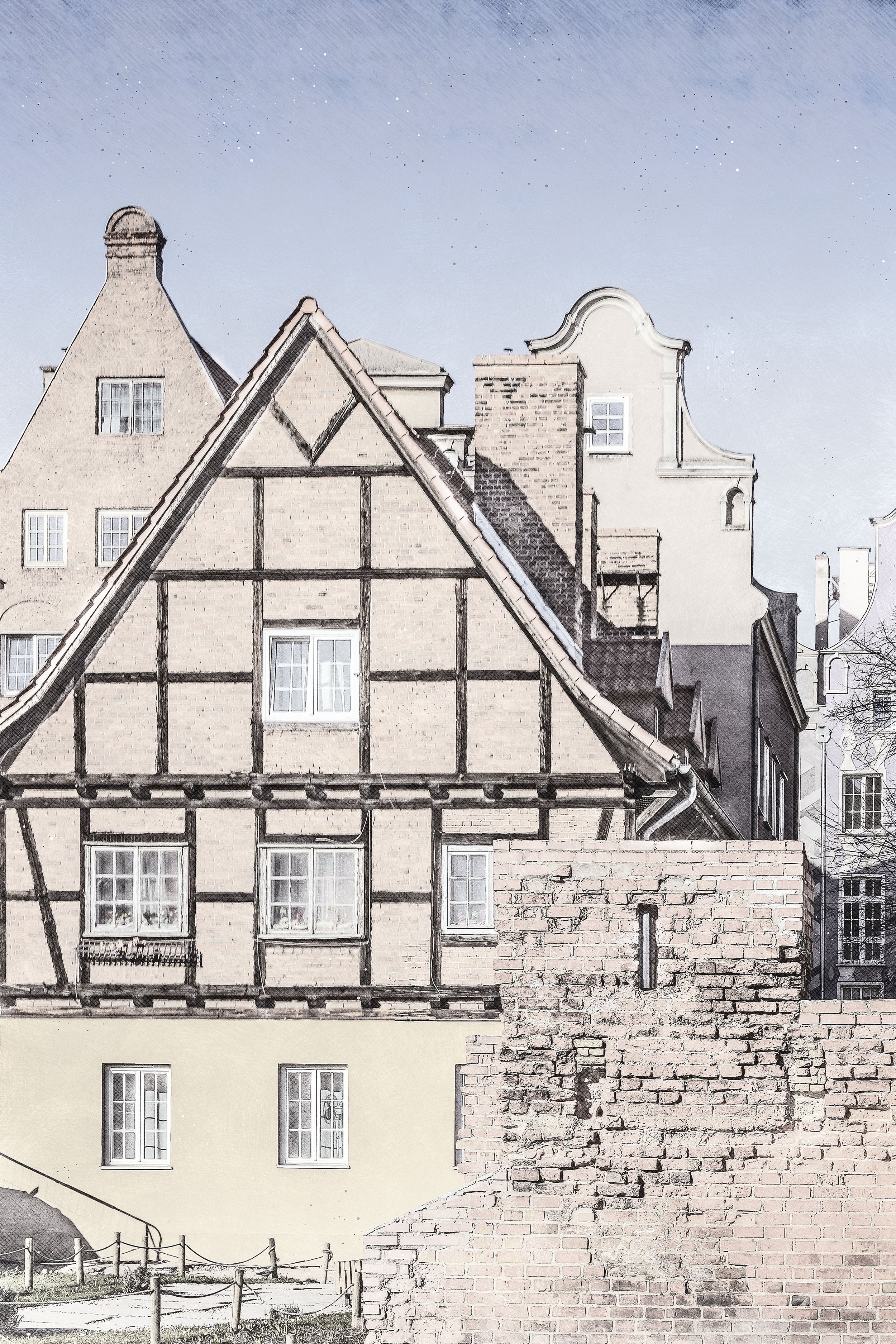
First, the walls are an important part of the city's history and cultural heritage. Gdansk has a long and rich history dating back to the Middle Ages, and the walls are a tangible reminder of that history. They serve as a reminder of the city's past and the people who lived and worked there.
Second, the walls are an important tourist attraction. Many visitors to Gdansk are interested in the city's history and culture, and the walls are a popular attraction. They provide visitors with an opportunity to learn about the city's past and to explore its rich cultural heritage.
Finally, the walls are an important part of the city's identity. They are a well-known and iconic feature of Gdansk, and they contribute to the city's sense of place and character.
Overall, the remainings of walls in Gdansk are kept for their historical, cultural, and tourism value. They are an important part of the city's past, present, and future, and are a testament to its rich history and cultural heritage.
Why rivers are so important for Gdansk?
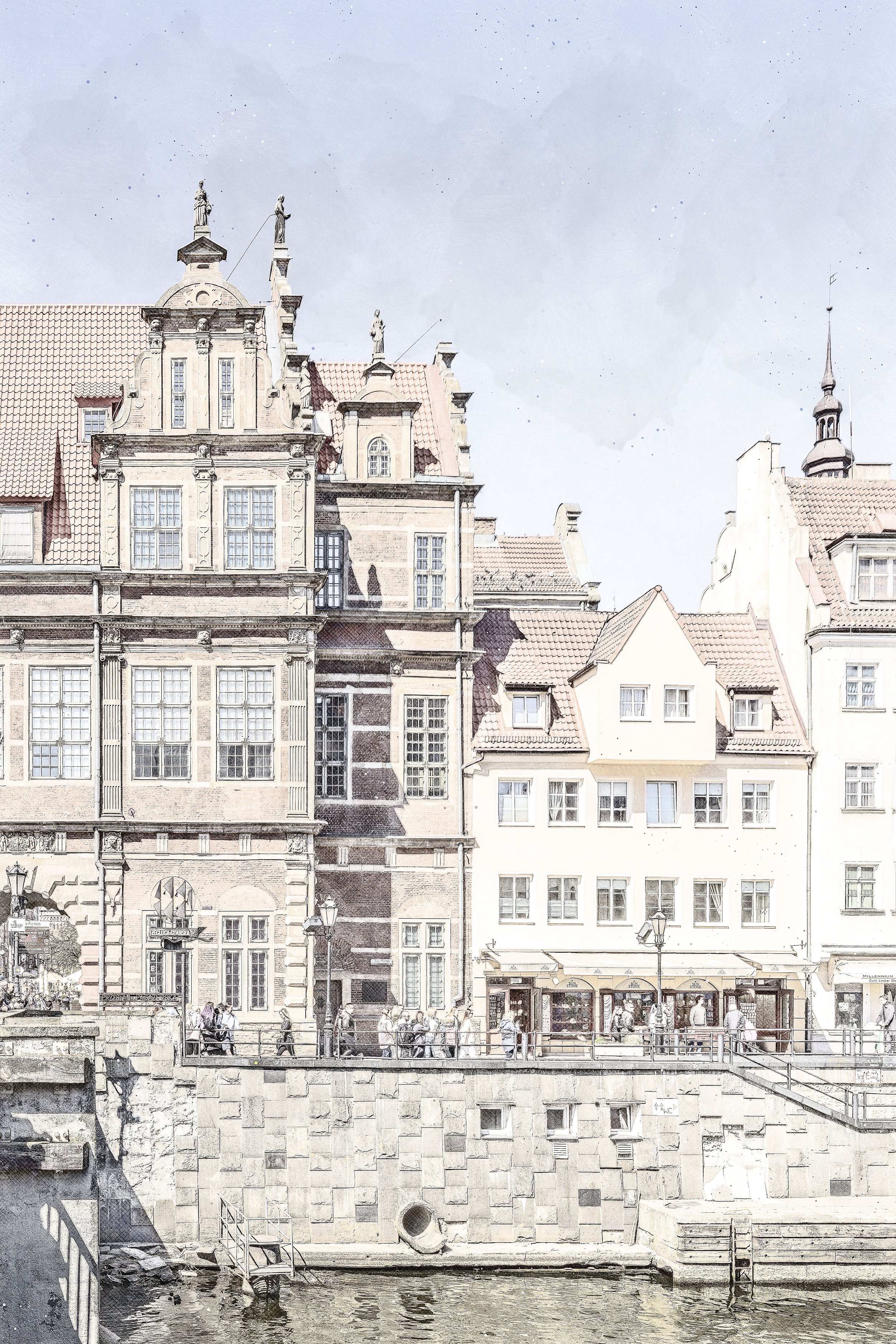
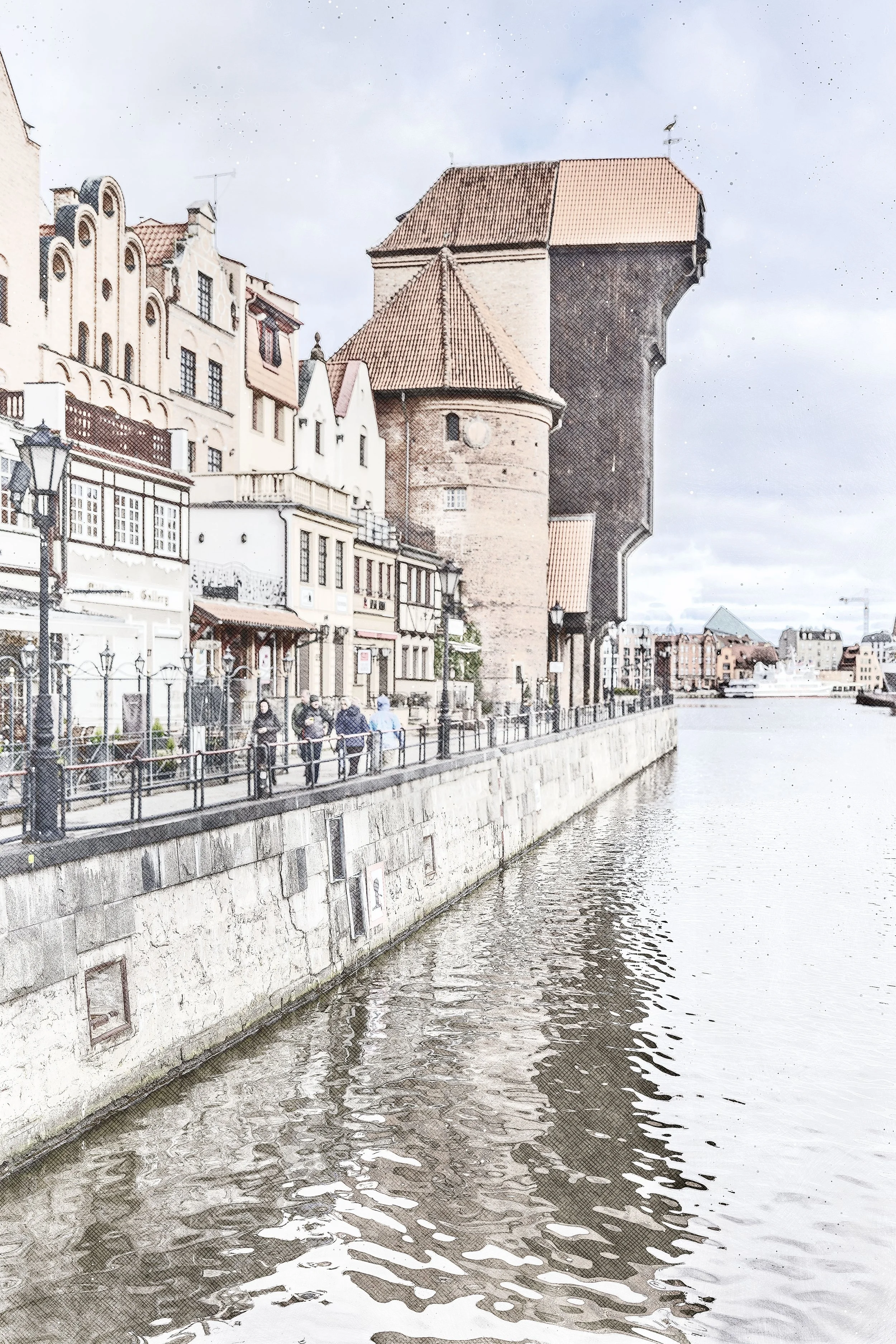
Gdansk, a city located in northern Poland on the Baltic Sea, is located on the Motlawa River and has a long history of being connected to rivers. Rivers have played a significant role in the city's development and prosperity, and continue to be an important part of its culture and economy.
One reason rivers are so important for Gdansk is that they have provided a means of transportation and trade. The Motlawa River has long been an important waterway for the city, and it has played a central role in the city's history as a major port and trade center. The city's location on the river has made it an important hub for trade and commerce, and has helped to drive its economic development.
Rivers have also played an important role in the city's culture and history. The Motlawa River has long been a source of inspiration for the city's artists and writers, and it has been depicted in many works of art and literature. The river has also been an important gathering place for the city's residents, and it has played a central role in the city's social and cultural life.
Today, rivers continue to be an important part of Gdansk's culture and economy. The city's rivers are popular destinations for tourists, and they are an important part of the city's natural beauty and charm. Overall, the rivers of Gdansk are an integral part of the city's history, culture, and economy, and are an important part of what makes the city such a unique and special place.
Why the style of the Gdansk Renaissance is called an eclectic combination of the Renaissance and Baroque?
The style of the Gdansk Renaissance, also known as the "Gdansk Mannerist" or "Gdansk Baroque" style, is often described as an eclectic combination of the Renaissance and Baroque styles of architecture. This is because the style incorporates elements from both of these architectural styles, as well as elements from other styles that were popular during the Renaissance and Baroque periods.
The Gdansk Renaissance style is characterized by its use of Classical motifs and elements, such as columns, pediments, and arches, as well as its use of ornamentation and decorative elements. These elements are typical of the Renaissance style, which was characterized by a focus on symmetry, proportion, and classical forms.
At the same time, the Gdansk Renaissance style also incorporates elements from the Baroque style, which was characterized by ornate and elaborate decorations, as well as a focus on movement and drama. The Gdansk Renaissance style combines these elements with other styles and influences to create a unique and eclectic architectural style that is specific to the city of Gdansk.
Overall, the Gdansk Renaissance style is an important part of the city's history and cultural heritage, and it continues to be an iconic and distinctive feature of the city's built environment. Its eclectic combination of Renaissance and Baroque elements makes it a unique and distinctive architectural style that reflects the city's rich history and cultural influences.
Why Gdansk is called the Capital of Amber?
Gdansk, a city located in northern Poland on the Baltic Sea, is often referred to as the "Capital of Amber." This nickname is due to the city's long history as a major center for the trade and production of amber, a yellowish-orange fossilized resin that is found in the Baltic region.
Amber has been mined and traded in the Baltic region for thousands of years, and Gdansk has long been a major hub for this trade. The city is located on the Baltic Sea, which makes it an ideal location for the trade and transportation of amber, and it has a long history of amber production and craftsmanship.
Gdansk's reputation as the "Capital of Amber" is due in part to its rich history and traditions in the amber trade, as well as its continued role as a major center for the production and trade of amber. The city is home to many amber-related businesses and industries, and it is a popular destination for tourists interested in learning about the history and craft of amber.
Overall, Gdansk's nickname as the "Capital of Amber" reflects the city's rich history and traditions in the amber trade, as well as its continued role as a major center for the production and trade of amber.
How to photograph gothic architecture?
Photographing gothic architecture can be a rewarding and challenging experience, as these structures often have intricate details and complex forms that can be difficult to capture in a photograph. Here are a few tips to help you photograph gothic architecture:
Use a tripod: Gothic architecture often has intricate details that can be difficult to capture in a photograph, especially if you're shooting in low light conditions. Using a tripod can help you get a sharp, clear photograph and allows you to take longer exposures if needed.
Pay attention to the lighting: Gothic architecture is often best photographed in the early morning or late afternoon when the light is softer and less harsh. Avoid shooting in the middle of the day when the sun is directly overhead, as this can create harsh shadows that can be difficult to manage.
Get close: Gothic architecture often has intricate details that can be lost if you shoot from too far away. Get close to the structure and fill the frame with as much of the architecture as possible to highlight the details.
Use a wide-angle lens: A wide-angle lens will allow you to capture more of the architecture in a single photograph and can help to give a sense of the grandeur and scale of the structure.
Experiment with different compositions: Gothic architecture offers a variety of interesting lines, shapes, and textures that can be used to create interesting compositions. Experiment with different angles and perspectives to find the best way to capture the beauty of the architecture.
By following these tips, you should be able to capture beautiful, evocative photographs of gothic architecture.
How strong is a Flemish architectural influence in Gdansk?
Gdansk, a city located in northern Poland on the Baltic Sea, has a rich and varied architectural heritage that reflects its long history and cultural influences. The Flemish style of architecture has had a significant influence on the city's built environment and can be seen in many buildings and structures throughout Gdansk.
The Flemish style of architecture is characterized by its use of brick, stone, and other materials, as well as its attention to detail and craftsmanship. It was popular in the region of Flanders, which is located in present-day Belgium and parts of France, and it spread to other parts of Europe through trade and cultural exchange.
In Gdansk, the Flemish style of architecture can be seen in many buildings and structures, including residential buildings, commercial buildings, and public buildings such as churches and town halls. The style is particularly prominent in the city's Old Town, which is home to many well-preserved Flemish-style buildings.
Overall, the Flemish style of architecture has had a significant influence on the city of Gdansk, and it is an important part of the city's architectural heritage. Its presence can be seen in many buildings and structures throughout the city, and it is a testament to Gdansk's rich history and cultural influences.
How brick roads helped Gdansk in the past?
Brick roads played a significant role in the development and prosperity of the city of Gdansk, a city located in northern Poland on the Baltic Sea. Brick roads were important for many reasons, including:
Improved transportation: Brick roads were more durable and long-lasting than dirt or gravel roads, and they provided a smoother, more stable surface for transportation. This made it easier for people and goods to move around the city, which was important for trade and commerce.
Enhanced aesthetics: Brick roads added to the visual appeal of the city, and were considered a sign of prosperity and progress. They contributed to the overall look and feel of the city and helped to enhance its reputation as a modern and sophisticated place.
Improved sanitation: Brick roads were easier to clean and maintain than other types of roads, which helped to improve sanitation in the city. This was especially important in the days before modern sewage and waste management systems, as dirty streets could contribute to the spread of disease.
Overall, brick roads played a significant role in the development and prosperity of Gdansk, and continue to be an important part of the city's infrastructure and the built environment.
What is the main purpose of a postcard?
The main purpose of a postcard is to send a message or greeting to someone through the mail. Postcards are a popular and convenient way to communicate with loved ones, especially when you are traveling or living far away.
Postcards are typically smaller and more lightweight than letters, which makes them easier and cheaper to send through the mail. They are also typically more decorative than letters and may feature images or artwork on the front.
There are many different ways that postcards can be used. Some people use postcards to send quick messages or updates to loved ones, while others use them to send more formal greetings or invitations. Some people collect postcards as a hobby and may use them to learn about different places and cultures.
Overall, the main purpose of a postcard is to provide a quick and convenient way to send a message or greeting through the mail. Whether you are sending a quick note to a loved one or a more formal greeting to a friend or colleague, a postcard is a simple and effective way to stay connected and share your thoughts and experiences with others.
What Gdansk Archaeological Museum features?
The Gdansk Archaeological Museum is a museum located in Gdansk. The museum is home to a wide range of exhibits and collections that cover the history of Gdansk and the surrounding region, including ancient artifacts and relics from the city's past.
Some of the features of the Gdansk Archaeological Museum include:
Ancient artifacts and relics: The museum is home to a wide range of ancient artifacts and relics, including tools, weapons, jewelry, pottery, and other objects that date back to the Neolithic, Bronze Age, and Iron Age. These artifacts provide insight into the daily lives and cultures of the people who lived in the region during these periods.
Exhibits on the history of Gdansk: The museum features exhibits on the history of Gdansk and the surrounding region, including its medieval and modern history, as well as its connections to the sea. These exhibits provide a comprehensive look at the city's rich history and cultural heritage.
Interactive exhibits: The museum features interactive exhibits that allow visitors to learn about the history of Gdansk in a hands-on and engaging way. These exhibits may include interactive displays, multimedia presentations, and other interactive elements that help visitors to better understand the city's past.
Educational programs and events: The museum offers a variety of educational programs and events, including lectures, workshops, and guided tours, that provide visitors with an opportunity to learn more about the history of Gdansk and the surrounding region.
Overall, the Gdansk Archaeological Museum is a great resource for anyone interested in learning about the history of Gdansk and the surrounding region. Its exhibits and collections provide a comprehensive look at the city's past, and its educational programs and events offer visitors an opportunity to engage with the city's rich cultural heritage in a hands-on and interactive way.